Buscar este blog

Mostrando entradas con la etiqueta USAAF. Mostrar todas las entradas

jueves, 6 de abril de 2017

379º Grupo de bombardeo


379th Bombardment Group

B-17 43-38716 379th Bomb Group Miss Anoxia And Liberty Run Kids

El 379º Grupo de bombardeo (379º BG) fue activado el 3 de noviembre de 1942 trasladándose a Inglaterra en abril de 1943. El escalón aéreo arribó a las costas británicas a bordo de sus bombarderos B-17 a través de la ruta del Atlántico norte mientras que el escalón de tierra llegaba por vía marítima ya en mayo. El día 19 de ese mismo mes comenzó sus operaciones con la 8º Air Force. Comprometido principalmente en el bombardeo de objetivos estratégicos tales como industrias, refinerías de petróleo, plantas de almacenamiento, bases de submarinos, aeródromos y centros de comunicaciones. Los objetivos específicos incluyeron una planta química en Ludwigshafen, una planta de ensamblaje de aeronaves en Brunswick, plantas de rodamiento de bolas en Schweinfurt y Leipzig, refinerías de petróleo sintético en Merseburg y Gelsenkirchen y aeródromos en Mesnil au Val y Berlín.

Recibió otro DUC para volar sin protección de combate en Alemania central para atacar a las fábricas de aviones vitales el 11 de enero de 1944. En varias ocasiones atacó objetivos prohibitorios y operó en apoyo de las fuerzas terrestres. Atacó también emplazamientos de armas V, aeródromos, estaciones de radar y otras instalaciones antes de la invasión de Normandía en junio de 1944. Golpeó los campos de aviación, los puntos del estrangulamiento del carril, y los emplazamientos de armas durante la campaña que siguió. Bombardeó las posiciones enemigas para ayudar a las tropas terrestres en St Lo durante el avance, 24-25 de julio de 1944. Atacó las comunicaciones alemanas y las fortificaciones durante la Batalla de Bélgica entre diciembre de 1944 y enero de 1945. Bombardeó puentes y viaductos en Francia y Alemania para ayudar al asalto Aliado a través del Rin, entre febrero y marzo de 1945. Se trasladó a Marruecos francés en junio de 1945 y se declaró inactivado el 25 de julio de 1945.

A captured RAF Focke Wulf 190 taxies past a B-17 Flying Fortress of the 379th Bomb Group, 8 January 1944

Escuadrones:
524th: 1942-1945.
525th: 1942-1945.
526th: 1942-1945.
527th: 1942-1945.

Fuentes:
BROWMAN, M. “B-17 Flying Fortress Units of the Eighth Air Force” Osprey, 2002
MAURER, M. “Air Force Combat Units Of World War II.” Maxwell, 1983
PONS, G. “8th Air Force: American Heavy Bomber Groups in England 1942-1945 Histoire & Collections, 2006

English version

The 379th Bombing Group (379th BG) was activated on 3 November 1942 by moving to England in April 1943. The airstrike arrived on the British coast aboard its B-17 bombers via the North Atlantic route while That the step of land arrived by sea already in May. On the 19th of that same month, he began operations with the 8th Air Force. Committed mainly in the bombing of strategic objectives such as industries, oil refineries, storage plants, submarine bases, aerodromes and communications centers. Specific objectives included a chemical plant in Ludwigshafen, an aircraft assembly plant in Brunswick, ball bearing plants in Schweinfurt and Leipzig, synthetic oil refineries in Merseburg and Gelsenkirchen and aerodromes in Mesnil au Val and Berlin.

He received another DUC to fly without combat protection in central Germany to attack the vital aircraft factories on January 11, 1944. He repeatedly attacked prohibitory targets and operated in support of ground forces. He also attacked V-arm sites, airfields, radar stations and other facilities prior to the Normandy invasion in June 1944. He struck the airfields, lane choke points, and gun sites during the campaign that followed. He bombed enemy positions to assist ground troops in St Lo during the advance, 24-25 July 1944. He attacked German communications and fortifications during the Battle of Belgium between December 1944 and January 1945. He bombed bridges and viaducts In France and Germany to assist the Allied assault across the Rhine between February and March 1945. He moved to French Morocco in June 1945 and was declared inactivated on 25 July 1945.

Squadrons:
524th: 1942-1945.
525th: 1942-1945.
526th: 1942-1945.
527th: 1942-1945.


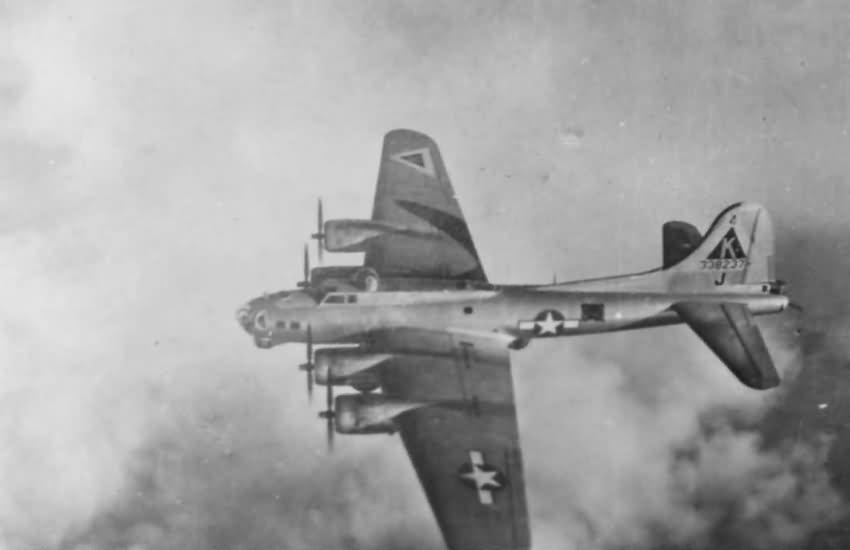
B-17 Flying Fortress 43-38237 379th Bomb Group

Sources:
BROWMAN, M. “B-17 Flying Fortress Units of the Eighth Air Force” Osprey, 2002
MAURER, M. “Air Force Combat Units Of World War II.” Maxwell, 1983
PONS, G. “8th Air Force: American Heavy Bomber Groups in England 1942-1945 Histoire & Collections, 2006

martes, 14 de febrero de 2017

91º Grupo de bombardeo


91st Bombardment Group

B-17G Bomber Nine 'O Nine 91st Bomb Group
 
El 91º Grupo de bombardeo Pesado (91º BG) fue constituido el 28 de enero de 1942 y activado el 15 de abril de ese mismo año. La unidad recibió su entrenamiento a bordo de bombarderos B-17 y fueron trasladados a Inglaterra entre agosto y octubre de 1942 siendo asignados a la 8º Air Force. Durante la contienda actuaron como unidad de bombardeo estratégico entrando en combate en noviembre de 1942 concentrando sus ataques sobre las bases de submarinos alemanes, astilleros, los puertos y sus instalaciones hasta mediados de 1943. Durante este periodo también realizaron ataques sobre aeródromos, fábricas y las comunicaciones terrestres. El 27 de enero de 1943 realizaron una incursión sobre el puerto de Wilhelmshaven durante la primera incursión de la 8º AF sobre Alemania. Para su misión sobre Hamm el 4 de marzo de 1943 fueron equipados con sistemas para bombardear con tiempo adverso realizando su misión a pesar de la fuerte oposición de la Luftwaffe. Desde mediados de 1943 hasta que terminó la guerra, se dedicaron principalmente a ataques contra fábricas de aviones, aeródromos e instalaciones petroleras. Entre los objetivos específicos figuraban los campos de Villacoublay y Oldenburg, las fábricas de aeronaves de Oranienburg y Bruselas, las industrias químicas de Leverkusen y Peenemunde, las plantas de rodamiento de bolas de Schweinfurt y otras industrias de Ludwigshafen, Berlín, Frankfurt y Wilhelmshaven. El 11 de enero de 1944 los Groups de la 8º AF se dirigieron al centro de Alemania para atacar fábricas de aviones vitales. Participando en esta operación, el 91º BG bombardeó con éxito sus blancos a pesar del mal tiempo, de la cobertura inadecuada de cazas y del severo ataque enemigo.

Ampliando sus operaciones para incluir misiones de interdicción y apoyo, el grupo contribuyó a la invasión de Normandía bombardeando emplazamientos de armas y concentraciones de tropas cerca del área de cabeza de playa en junio de 1944. Ayudó a la brecha de St. Lo atacando las posiciones de las tropas enemigas entre el 24 y el 25 de julio de 1944. Apoyó a las tropas en las líneas de frente cerca de Caen en agosto de ese mismo año. Asistieron al empuje a través del Rin, atacando aeródromos, puentes y ferrocarriles cerca de las líneas de frente en la primavera de 1945. Tras el final de la guerra sirvieron para evacuar prisioneros de los campos alemanes. La unidad regresó a los Estados Unidos entre junio y julio de 1945 siendo desactivado el 7 de noviembre de 1945.
 
Escuadrones:
7th Geodetic: 1949-1950
91st: 1949-1950
322d: 1942-1945; 1947-1948, 1949-1952
323d: 1942-1945
324th: 1942-1945; 1947-1952
401st: 1942-1945.

 The insignia of the 91st Bomb Group

Fuentes:
BROWMAN, M. “B-17 Flying Fortress Units of the Eighth Air Force” Osprey, 2002
MAURER, M. “Air Force Combat Units Of World War II.” Maxwell, 1983
PONS, G. “8th Air Force: American Heavy Bomber Groups in England 1942-1945 Histoire & Collections, 2006


English version

The 91st Heavy Bombardment Group (91º BG) was formed on January 28, 1942 and activated on April 15 of that same year. The unit received its training aboard B-17 bombers and was transferred to England between August and October of 1942 being assigned to the 8th Air Force. During the war they acted as a strategic bombing unit entering combat in November 1942 concentrating their attacks on the bases of German submarines, shipyards, ports and their facilities until mid-1943. During this period they also carried out attacks on aerodromes, factories and Terrestrial communications. The 27 of January of 1943 made a raid on the port of Wilhelmshaven during the first incursion of 8º AF on Germany. For their mission on Hamm on March 4, 1943 they were equipped with systems to bomb with adverse weather accomplishing their mission despite the strong opposition of the Luftwaffe. From mid-1943 until the end of the war, they were mainly engaged in attacks against aircraft factories, airfields and oil facilities. Specific objectives included the Villacoublay and Oldenburg fields, Oranienburg and Brussels aircraft factories, Leverkusen and Peenemunde chemical plants, Schweinfurt ball bearing plants and other industries in Ludwigshafen, Berlin, Frankfurt and Wilhelmshaven. On January 11, 1944 the Groups of the 8th AF went to the center of Germany to attack vital aircraft factories. Participating in this operation, the 91st BG successfully bombed its targets despite bad weather, inadequate fighter cover and severe enemy attack.

Extending its operations to include interdiction and support missions, the group contributed to the Normandy invasion by bombing gun sites and troop concentrations near the beachhead area in June 1944. It aided the St. Lo breach by attacking the positions Of the enemy troops between 24 and 25 July 1944. He supported the troops on the front lines near Caen in August of that same year. They attended the push across the Rhine, attacking airfields, bridges and railroads near the front lines in the spring of 1945. After the end of the war they served to evacuate prisoners from German camps. The unit returned to the United States between June and July of 1945 being deactivated the 7 of November of 1945.

Squadrons:
7th Geodetic: 1949-1950
91st: 1949-1950
322d: 1942-1945; 1947-1948, 1949-1952
323d: 1942-1945
324th: 1942-1945; 1947-1952
401st: 1942-1945.

B-17F after crash 91st bomb Group 323rd BS 42-30157

Sources:
BROWMAN, M. “B-17 Flying Fortress Units of the Eighth Air Force” Osprey, 2002
MAURER, M. “Air Force Combat Units Of World War II.” Maxwell, 1983
PONS, G. “8th Air Force: American Heavy Bomber Groups in England 1942-1945 Histoire & Collections, 2006

miércoles, 24 de febrero de 2016

Inventarío del 303º BG “Hell´s angels” (XV)


Inventarío del 303º BG “Hell´s angels” (XV)

 
Probablemente sea el Bomb Group más famoso de la II Guerra Mundial y todo un referente para el Nose art de los bombarderos aliados. Fue uno de los primeros Grupos que llegó a Inglaterra y el B-17 “Hell´s angels” fue el primero de la unidad en completar sus 25 misiones en junio de 1943. El B-17F 41-24605 “Knock-out Dropper” sería el primer bombardero de la USAF en Inglaterra en completar 50 y después 75 misiones de combate. El grupo fue disuelto el 16 de junio de 1952. A continuación se muestra una relación de este arte que lucieron los B-17 del Hell´s angels”.

Bomb Group is probably the most famous World War II and a reference to the Nose Art by Allied bombers. He was one of the first groups that came to England and the B-17 "Hell's Angels" was the first unit to complete his 25 missions in June 1943. The B-17F 41-24605 "Knock-out Dropper" is the first USAF bomber in England after completing 50 and 75 combat missions. The group was dissolved on June 16, 1952. Below is a list of this art that wore the B-17's "Hell's Angels."
 
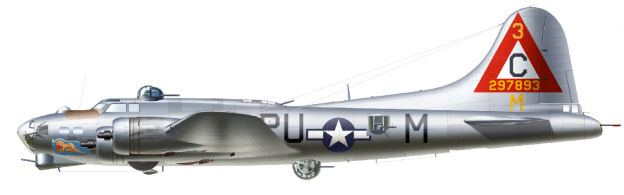
B-17 “Minnie the Moocher
B-17G 360BS (PU-M) 42-97893. Asignado al 303º BG "Hell´s angels" el 12 de junio de 1944. Realizó 50 misiones hasta ser derribado el 28 de septiembre de 1944.

B-17G 360BS (PUM) 42-97893. Assigned to the 303rd BG "Hell's Angels" on 12 June 1944. He made 50 missions to be shot down on September 28, 1944.


B-17 “Lucille
B-17G 359BS (BN-E) 43-38608. Asignado al 303º BG "Hell´s angels" el 23 de octubre de 1944 y desguazado el 30 de noviembre de 1945 con 69 misiones realizadas.

B-17 G 359BS (BN-E) 43-38608. Assigned to the 303rd BG "Hell's Angels" on 23 October 1944 and scrapped the 30 November 1945 with 69 missions.


B-17 “Yankee Girl
B-17G PFF 359BS (BN-Y) 44-8256. Asignado al 303º BG "Hell´s angels" el 2 de octubre de 1944 y desguazado tras completar 41 misiones.

B-17G PFF 359BS (BN-N) 44-8256. Assigned to the 303rd BG "Hell's Angels" on October 2, 1944 and scrapped after completing 41 missions.


B-17 “Flak Hack
B-17G 360BS (PU-H) 42-97329. Asignado al 303º BG "Hell´s angels" el 22 de abril de 1944. Realizó 33 misiones hasta que fue derribado el 28 de septiembre de 1944.

B-17G 360BS (PUSH) 42-97329. Assigned to the 303rd BG "Hell's Angels" on 22 April 1944. He made 33 missions until he was shot down on September 28, 1944.


B-17 “Forget Me Not Olly
B-17G 358BS (VK-H) 43-38258. Asignado al 303º BG "Hell´s angels" el 15 de agosto de 1944. Completó un total de 56 misiones de combate y fue desguazado el 12 de mayo de 1945.

B-17G 358BS (VK-H) 43-38258. Assigned to the 303rd BG "Hell's Angels" on 15 August 1944. He completed a total of 56 combat missions and was scrapped on May 12, 1945.


Fuentes/Sources:
MAURER, M. “Air Force Combat Units Of World War II.” Maxwell, 1983
FLEMMING, S. “Flying with the Hell's Angels” Honoribus Press, 1991
FREENY, W. “The First 300 Hell's Angels, 303rd Bombardment Group (H). United States Army Air Forces” Batsford, 1944
O´NEILL, B. “303rd Bombardment Group” Osprey, 2003
SMART, V. “The Original Hell's Angels: The 303rd Bombardment Group of World War II” Arcadia Publishing, 2001